ECB's Elderson Urges Deeper European Integration for Prosperity
QuoteReporter
ECB's Elderson Urges Deeper European Integration for Prosperity
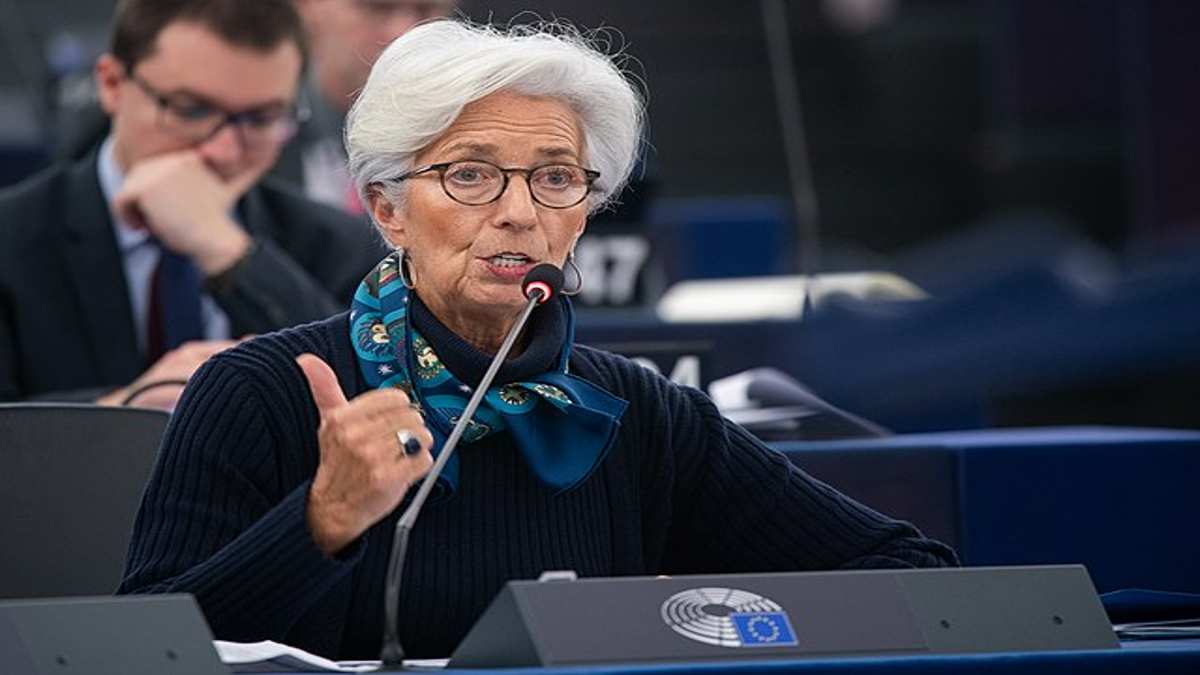
In a keynote speech at the "Financing Europe: a new era of strategic investment" conference in Brussels on 12 May 2026, Frank Elderson, Member of the Executive Board of the ECB and Vice-Chair of the Supervisory Board, emphasized the critical need for deeper European integration to address fragmentation and boost prosperity. The single most important point is that fragmentation in markets, including banking and capital, undermines Europe's growth, competitiveness, and ability to handle challenges like energy dependence and climate crises, advocating for a completed Single Market and banking union as essential solutions.
Key Policy Decision
The speech by Frank Elderson outlines several policy recommendations to enhance European integration, focusing on the banking sector and broader financial markets, rather than traditional monetary tools like interest rates. While no specific interest rate decisions, vote details, or asset purchase changes are mentioned, Elderson highlights the ECB's response to the European Commission's consultation on banking sector competitiveness, stressing that sound regulation has strengthened banks. He argues for treating the banking union as a single jurisdiction to enable seamless cross-border operations, including free flow of capital and liquidity within banking groups. Key proposals include advancing a European Deposit Insurance Scheme (EDIS) with a clear implementation timetable to harmonize deposit safety across the EU, from Tallinn to Toulouse and Trier. Additionally, he calls for a strong EU framework for liquidity in resolution, addressing the current gap where Emergency Liquidity Assistance (ELA) is handled at the national level, potentially leading to risks borne by individual national central banks and governments. To reduce fragmentation, Elderson advocates shifting from directives to directly applicable regulations in areas like bank governance and licensing, preventing national variations and "gold-plating." This policy push aims to create a truly integrated banking market, enabling banks to support large-scale investments in defense, energy transition, and digital infrastructure, with the green transition alone requiring €1.2 trillion annually until 2030.
Economic Assessment
Elderson's speech provides the ECB's perspective on Eurozone economic challenges, emphasizing weak growth and external dependencies as root causes exacerbated by fragmentation. He notes that Europe's growth remains insufficient, with fragmentation preventing efficient resource allocation, business scaling, and cross-border investment. Specific figures from the document include the massive financing need for the green transition, at €1.2 trillion per year until 2030, underscoring the scale of investment required for energy and climate goals. The speech also highlights improvements in the banking sector, with Euro area banks now more profitable and better capitalized than a decade ago, narrowing valuation gaps with international peers. This resilience has allowed banks to maintain finance flows during crises, such as the pandemic, the worst energy crisis in 50 years, and tariff increases since the 1930s. However, Elderson warns that fragmentation limits banks' ability to diversify risks and support innovation, contributing to overall economic vulnerabilities. No direct figures on inflation, GDP, or employment are provided, but the assessment ties banking strength to sustainable growth, stressing the need for policies that foster productivity and address interconnected challenges like geopolitical risks and the climate crisis.
Market Implications
The speech implies significant market implications from deeper integration, particularly for European financial markets, without directly referencing specific impacts on assets like the EUR or Euro Stoxx 50. Elderson argues that fragmentation in banking—such as 80% of bank lending being domestic, fewer than 2% of deposits held across borders, and reduced cross-border merger activity—hinders market efficiency and competitiveness. This could affect European sovereign bonds and credit markets by perpetuating the bank-sovereign nexus and limiting risk diversification, potentially increasing costs for cross-border projects. For instance, incomplete integration restricts banks' ability to mobilize capital for strategic investments, which might pressure yields on bonds tied to energy or digital infrastructure funding. In equity and credit markets, the call for a savings and investment union suggests potential benefits for the Euro Stoxx 50, as deeper capital markets could enhance equity financing for innovation, reducing reliance on bank lending and fostering growth in sectors like fintech. Overall, addressing these issues could strengthen the EUR by improving Europe's strategic autonomy, but persistent fragmentation might exacerbate volatility in a harsher geopolitical environment, as banks remain confined to national markets.
Forward Guidance
Elderson's speech signals a policy path toward greater integration, emphasizing synchronized progress on banking union components as crucial for future stability. While no specific next Governing Council date is mentioned, he stresses the urgency of concrete steps, such as finalizing EDIS and establishing a liquidity in resolution framework, to enable seamless cross-border banking. He advocates for capital market integration to boost equity financing, urging Europe to turn savings into investment for productivity gains, which could influence future ECB supervisory approaches. Key data points the ECB is likely watching include banking sector resilience amid risks like cyberattacks, climate crises, and links to non-bank finance, as well as progress on the Single Market to meet investment needs of €1.2 trillion annually until 2030. Elderson calls for maintaining a diverse banking system with proportionality in regulation, such as expanding the small and non-complex institutions regime beyond the €5 billion threshold, while preserving the Single Rulebook. This guidance underscores that future competitiveness agendas must align with structural reforms, positioning deeper integration as a prerequisite for thriving in an uncertain global landscape.
Disclaimer
The content on MarketsFN.com is provided for educational and informational purposes only. It does not constitute financial advice, investment recommendations, or trading guidance. All investments involve risks, and past performance does not guarantee future results. You are solely responsible for your investment decisions and should conduct independent research and consult a qualified financial advisor before acting. MarketsFN.com and its authors are not liable for any losses or damages arising from your use of this information.