Kevin Warsh's Fed Debut: Navigating Inflation's Three-Year High
MarketsFN News Desk
Kevin Warsh's Fed Debut: Navigating Inflation's Three-Year High
By MarketsFN News Desk · June 17, 2026
Federal Reserve | Monetary Policy | US Economy
Key Numbers at a Glance
(3-year high)
rate hold (CME)
(current range)
hike by Dec 2026
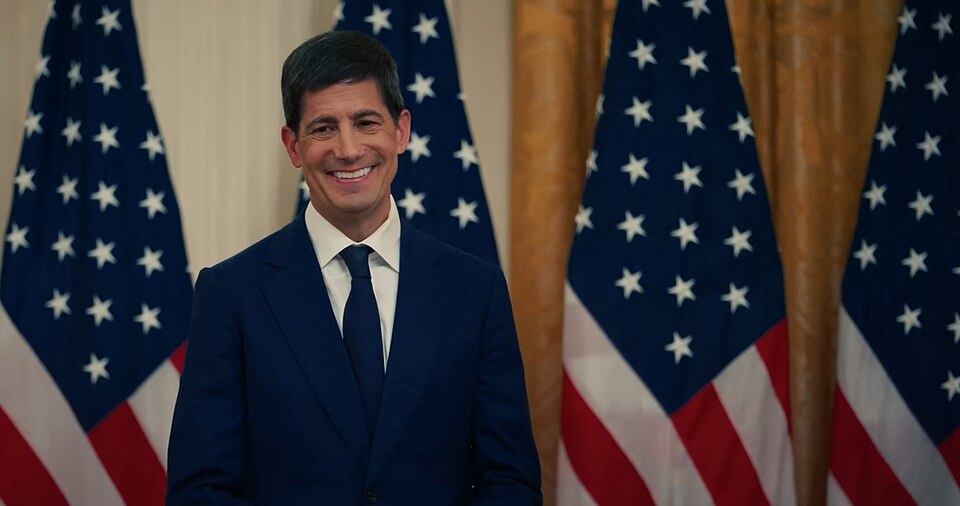
On Wednesday, June 17, 2026, the global financial community turns its collective gaze toward Washington D.C., where Kevin Warsh chairs his first Federal Open Market Committee (FOMC) meeting since taking the helm of the Federal Reserve last month. The meeting arrives at a critical juncture: the United States economy is currently weathering its highest inflation rate in three years, and Warsh — a Trump nominee with a reputation as an interest-rate hawk — faces a high-stakes balancing act between central bank independence, political expectations, and surging prices driven by geopolitical conflict.
The Inflationary Landscape: A Three-Year High
The primary challenge facing the Warsh-led FOMC is a sudden and sharp resurgence in consumer prices. Inflation jumped for a third consecutive month in May, with the Consumer Price Index (CPI) hitting an annual rate of 4.2% — the highest level recorded since April 2023. This inflationary flare-up has been largely attributed to the ongoing conflict involving Iran.
The war triggered a massive oil shock earlier this year when Iran closed the Strait of Hormuz — a vital maritime trading route responsible for transporting approximately one-fifth of the global oil supply. Gasoline prices surged and remained well above pre-war levels for months. While a recently announced U.S.-Iran deal has offered some relief — with gasoline prices dipping below $4 a gallon for the first time since March — underlying costs for groceries and other essentials remain stubbornly elevated.
Strait of Hormuz: The closure forced global oil traders to reroute shipments around the Cape of Good Hope, adding weeks to transit times and billions to logistics costs — compounding the direct price shock at the pump.
Market Expectations: Holding Steady in the Storm
Despite the pressure of rising prices, investors and futures markets are nearly unanimous in their prediction for Wednesday's decision.
| Scenario | Probability (CME FedWatch) | Implied Rate |
|---|---|---|
| Hold | 99.6% | 3.50% – 3.75% |
| Cut or Hike | 0.4% | Below 3.50% or above 3.75% |
While the rate decision itself is considered a "foregone conclusion" by experts like Elizabeth Renter of NerdWallet, the real story lies in the "Summary of Economic Projections" and the infamous dot plot. These documents will reveal whether policymakers still anticipate any rate cuts in 2026, or whether the balance of risks has shifted toward further tightening.
The Warsh Philosophy: Hawks, AI, and Independence
Kevin Warsh is no stranger to the Federal Reserve, having served as a governor during the late 2000s and early 2010s — where he established a reputation for preferring higher interest rates to ensure long-term price stability. His recent public statements, however, show a nuanced evolution on several fronts:
| Theme | Warsh's Position |
|---|---|
| Inflation | "Grievous harm is done to our citizens, especially to the least well-off" when prices surge — Senate confirmation hearing, April 2026 |
| Artificial Intelligence | AI-driven productivity gains could ease inflation and support lower borrowing costs over the long run |
| Forward Guidance | Plans to move away from explicit rate-path signalling to preserve flexibility and reduce market dependence on Fed language |
| Independence | Vowed the Fed will remain "strictly independent" — a direct signal amid ongoing pressure from President Trump to cut rates |
"Grievous harm is done to our citizens, especially to the least well-off, when inflation surges."
Economic Flux and the Labor Market
While inflation is the primary concern, the Fed must also account for a resilient labor market. A stronger-than-expected jobs report earlier this month showed robust hiring in May, suggesting the economy may not be cooling as quickly as hoped. In the internal logic of the Fed, a strong labor market grants central bankers the "leeway" to keep interest rates high — or even raise them further — without immediate fear of spiking unemployment.
The outlook is complicated, however, by shifting geopolitical tides. On Monday, President Trump announced a U.S.-Iran deal that includes plans to reopen the Strait of Hormuz. Iranian officials confirmed the agreement is finalized and set to be signed in Switzerland this Friday. This news immediately sent oil prices to their lowest levels since March, potentially providing the Fed with the price relief it needs to avoid more aggressive rate hikes later this year.
The Shadow of Jerome Powell
Adding a layer of complexity to the current FOMC dynamics is the presence of former Chair Jerome Powell, who — in a break from tradition — has chosen to remain on the Fed's 12-person board of governors after his term as chair expired. Powell's decision to stay comes amid an ongoing investigation into office renovation cost overruns.
While the Department of Justice dropped a criminal probe into Powell regarding alleged false testimony to Congress, the Fed's inspector general is still reviewing the matter. Powell has characterised these investigations as "politically motivated" attempts to influence monetary policy. As Warsh takes the lead, he must manage a board where his predecessor still holds a vote and where internal investigations continue to draw public scrutiny.
Looking Forward: From Cuts to Hikes?
At the start of 2026, the Federal Reserve had pencilled in at least one interest rate cut for the year. That forecast now appears increasingly fragile.
| Rate Scenario — End 2026 | Market Odds | Key Driver |
|---|---|---|
| Hold all year | ~60% | Sticky inflation + resilient jobs |
| Rate hike (Dec) | ~40% | CPI re-acceleration / oil re-surge |
| Rate cut | Minimal | Would require sharp growth slowdown |
Bank of America economist Aditya Bhave suggested that the new dot plot could show the Fed remaining on hold for the rest of 2026, with some members potentially projecting actual hikes. Economists note that the jump in consumer and producer prices makes it "far more difficult" for the FOMC to justify any rate cuts this year.
Conclusion: The Stakes of the Debut
As Kevin Warsh prepares to take the podium at the 2:30 p.m. ET press conference, he faces a narrative that has shifted away from "when will rates fall?" to "how high must they stay?". His first major policy move — likely a decision to hold steady — is less about the numbers and more about establishing his leadership style.
Investors will be listening closely for any changes in how the Fed interprets inflation data or signals its next steps. With the U.S.-Iran deal offering potential relief and the labor market remaining robust, Warsh has a narrow path to navigate.
"The environment is already contentious, and the new Chair will need to exert control quickly to reassure markets that the Federal Reserve remains a stable anchor in a volatile global economy."